10 Jun Australia Now Has a Blueprint for the Electricity System of 2050
KEY TAKEAWAYS
AEMO’s 2026 Integrated System Plan reveals
Just how different Australia’s future electricity grid may become. Planning the electricity system several decades ahead is a little like designing a motorway network without knowing exactly what cars people will be driving. We know people will still need to move, some roads will become congested and population growth can be forecast, but technology, behaviour and industries will continue to change. Electricity planning faces the same challenge, yet decisions still need to be made because transmission lines take years to design and construct, power stations, renewable projects and batteries require major investment, coal generators have retirement dates and industry still needs reliable electricity.
The Grid Is Changing
Australia’s future electricity system will rely on a broader mix of renewables, storage, stronger networks, flexible demand and firming as coal generation retires.
Electricity Demand
Will Grow
AEMO expects electricity consumption to rise substantially towards 2050 as transport, buildings and parts of industry become more electrified.
Businesses Need
to Plan Ahead
Long-term decisions about buildings, equipment, fleets and energy infrastructure should consider where future electricity demand is heading, not only what the business uses today.
This is why AEMO produces the Integrated System Plan. The final 2026 Integrated System Plan, released on 25 June 2026, maps what AEMO identifies as the least-cost development pathway for the National Electricity Market through to 2050. Its central conclusion is that renewable energy connected through transmission and distribution, supported by storage and backed up by gas, provides the lowest-cost pathway as coal generation retires.
The future grid is a system, not a single technology.
Renewables will play a larger role, but they will need to work alongside storage, transmission, distribution networks, flexible demand, firming generation and consumer energy resources. Australia’s future electricity system will depend on all of these pieces working together.
There is an important word in that conclusion: system. Australia cannot simply replace one coal power station with a collection of solar panels and declare the job finished. Electricity needs to be available every second of every day. Solar generation depends on sunlight, wind generation changes with weather, demand rises and falls and transmission constraints affect where electricity can move. The future grid therefore needs multiple pieces working together, including generation, storage, transmission, distribution networks, flexible demand, gas generation when required and consumer resources such as rooftop solar, batteries and electric vehicles.
“The most useful lesson from AEMO’s 2026 Integrated System Plan is not one technology forecast.It is the direction Australia’s electricity system is heading.”
That makes the transition far more sophisticated than the political shorthand of “renewables versus fossil fuels” often suggests. AEMO’s modelling is focused on engineering and economics: how to provide secure and reliable electricity while existing coal generation retires and electricity consumption increases. The 2026 ISP anticipates electricity consumption moving towards almost double current levels through to 2050 as transport, buildings and parts of industry electrify.
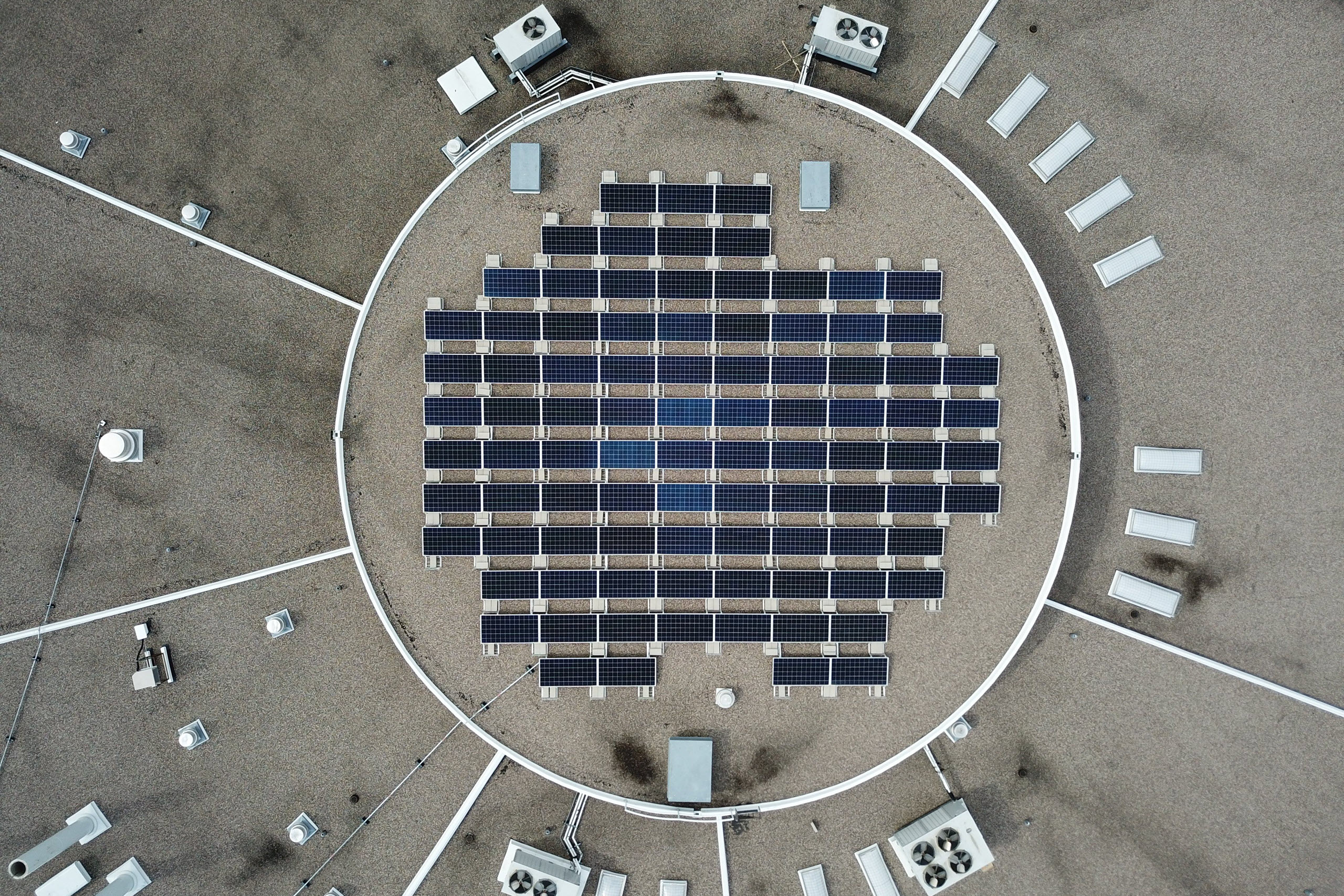
That has major implications for businesses. A company considering a new manufacturing facility today may still be operating that facility in 2045. A property developer constructing a commercial building today is creating electrical infrastructure that could serve tenants for decades. A logistics company replacing its vehicle fleet may eventually add substantial charging demand, while a manufacturer replacing gas equipment may move more of its energy requirement onto electricity. These decisions cannot all be based purely on today’s load. Businesses need to understand where their own operations are heading.
A strong transition strategy
Perhaps the most useful lesson from the Integrated System Plan is therefore not a specific technology forecast, but the direction of change. Australia is becoming more electrified. Renewable generation will play a larger role, storage will become increasingly important, electricity networks will require substantial development and flexible demand will become more valuable. Businesses that recognise these trends can begin preparing gradually rather than discovering years from now that their infrastructure or energy strategy no longer suits their operations.
Nobody knows exactly what Australia’s grid will look like in 2050. AEMO’s plan will evolve as technology, policy, costs and electricity demand change. But the broad direction is becoming increasingly difficult to ignore. Australia is building a different electricity system and businesses are not merely customers of that system. Increasingly, through solar, storage, electrification and flexible demand, they are becoming active participants in it.
Sorry, the comment form is closed at this time.