23 Apr Australia Recorded 2,236 Negative Electricity Price Periods
KEY TAKEAWAYS
Sometimes wholesale electricity is worth less than zero. That strange fact tells us a lot about where Australia's energy market is heading.
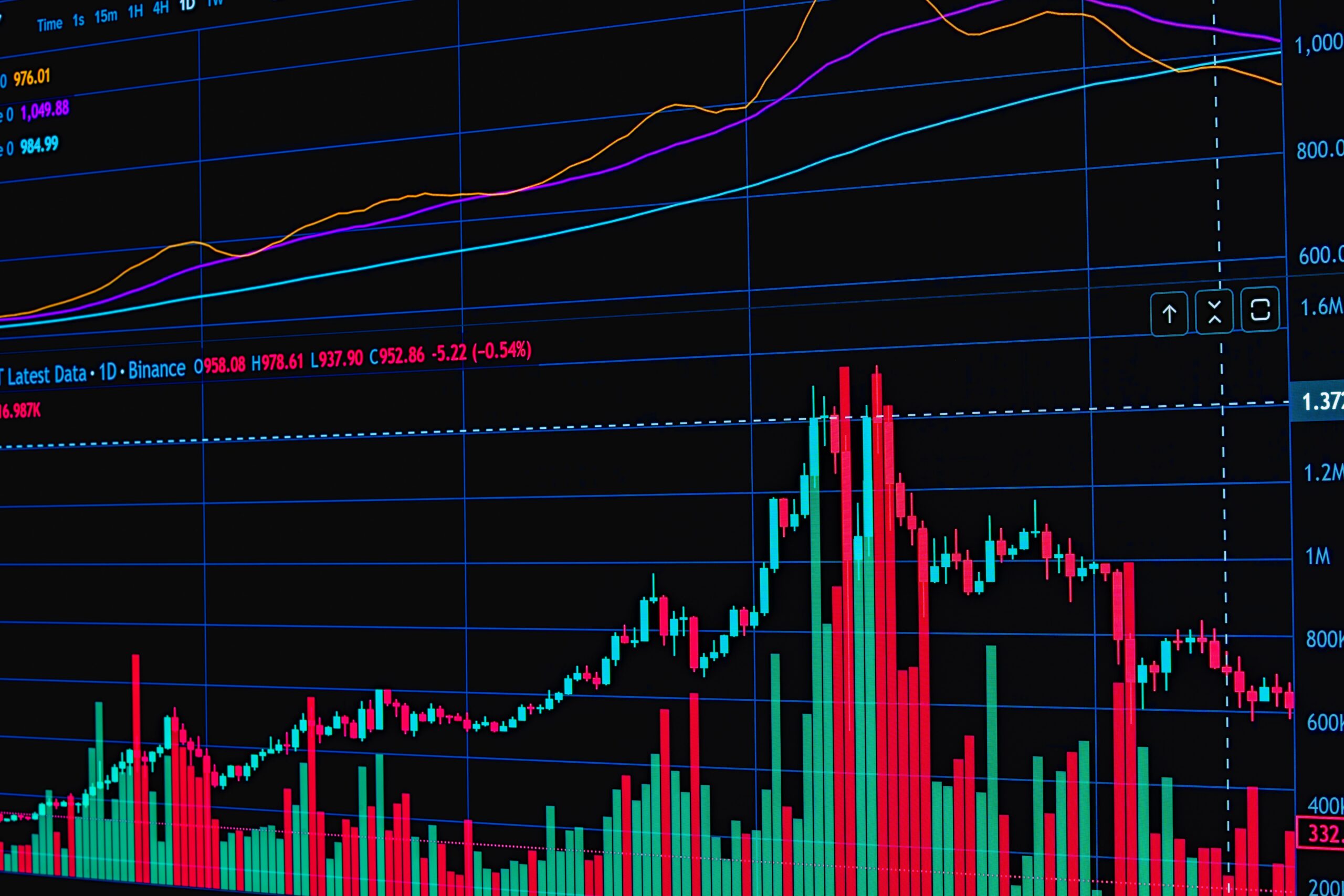
There are few markets where sellers occasionally pay buyers to take their product. Electricity is one of them. During the second quarter of 2026, Australia’s National Electricity Market recorded 2,236 negative-priced 30-minute periods. According to the Australian Energy Regulator, that was the highest number ever recorded for a second quarter and around 6 per cent higher than the same period a year earlier. At first glance, that sounds ridiculous. If electricity has a negative price, shouldn’t businesses be receiving giant cheques for switching everything on? Unfortunately, it is not quite that simple.
Why Prices Go Negative
When electricity supply temporarily exceeds demand, generators may offer electricity at negative wholesale prices to remain in the market.
Timing Changes the Value
Electricity can be abundant during strong solar and wind periods, then become more valuable later as renewable generation falls and demand stays high.
Flexibility Creates Opportunity
Businesses that can shift energy use, charging or storage to different times may be better placed to respond to changing electricity values.
The negative price occurs in the wholesale electricity market. Most businesses buy electricity through retail contracts that include network charges, retailer costs, contract structures and other components. So negative wholesale prices do not automatically mean free electricity appears on every customer’s bill. The interesting part is why negative prices happen. Electricity supply and demand need to remain balanced, but electricity generation does not always neatly match how much electricity people want at that exact moment.
Declining gas demands & gas disappearing.
Australia is expected to use less gas over time, but lower demand does not mean gas will disappear overnight. Peak requirements, declining southern production and the continuing role of gas-fired generation mean businesses still need to plan carefully for future supply, costs and electrification.
Negative prices show why timing matters in electricity.
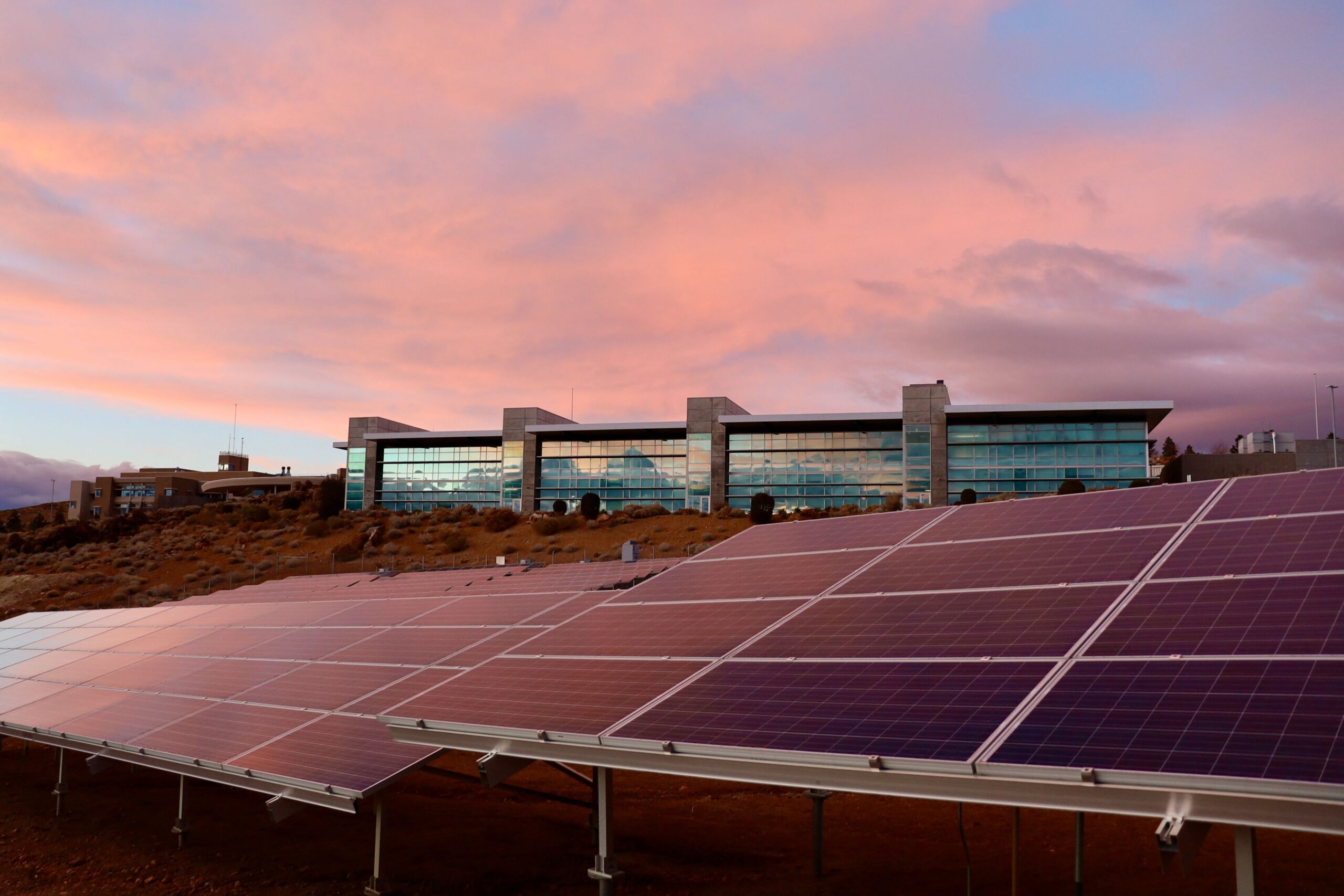
Australia now has enormous amounts of rooftop and large-scale solar generation. When the sun is shining strongly, electricity production can surge. Wind generation may also be high. If demand is not large enough to absorb all that electricity, generators compete to remain dispatched into the market. Some may be willing to offer electricity at negative prices rather than reduce output immediately for technical or commercial reasons. The result is something that would have seemed extraordinary in Australia’s old electricity system: there can temporarily be too much electricity. Several hours later, the opposite problem may emerge. Solar generation falls as evening approaches while electricity consumption remains high. Suddenly flexible generation and stored electricity become more valuable.
“Negative electricity prices reveal something important: at times, Australia has extraordinary amounts of electricity available.”
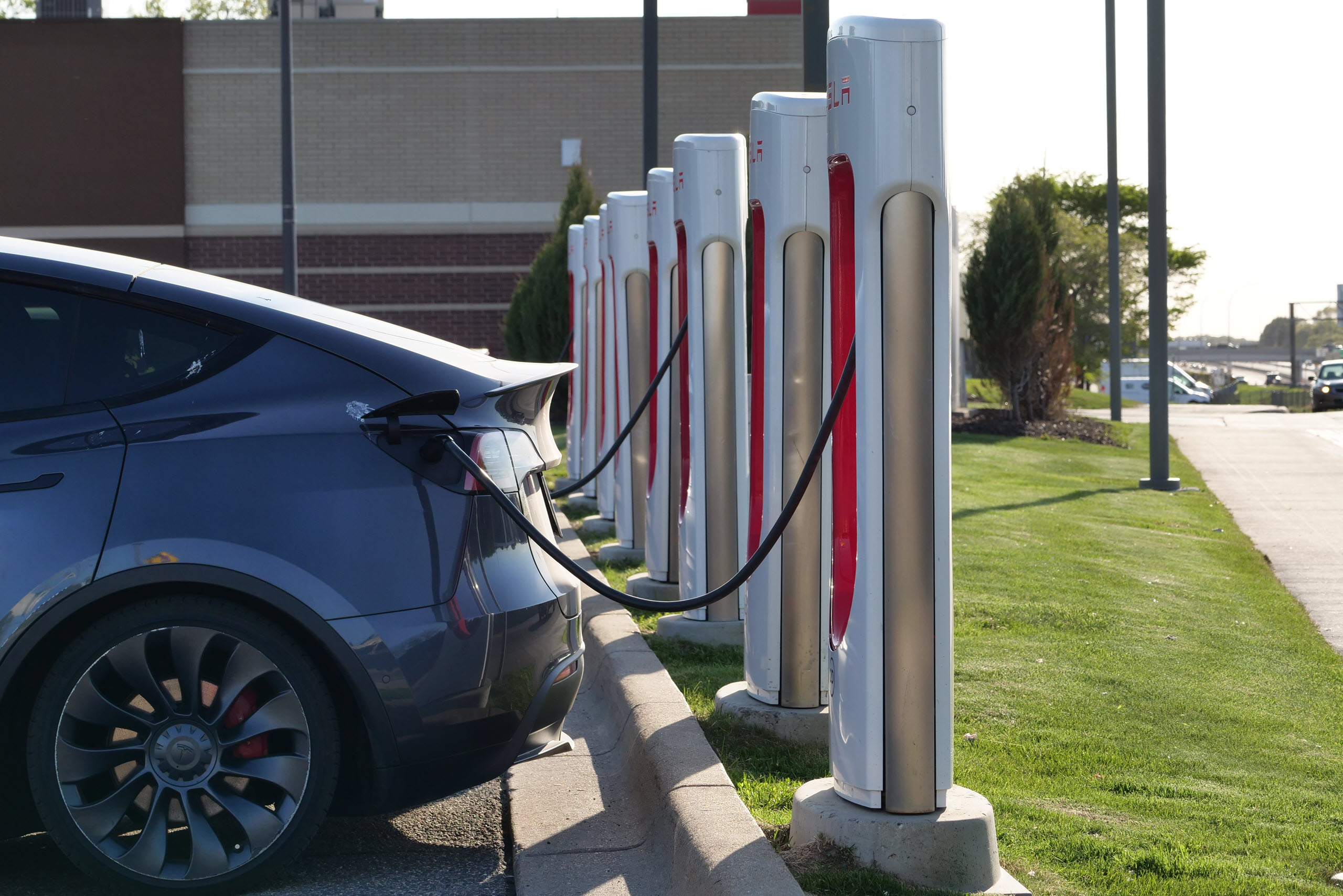
This is why negative prices are more than an amusing market curiosity. They reveal a growing mismatch between when electricity is produced and when electricity is consumed. And that creates opportunity. Think about a business with energy-intensive processes that can operate at different times. Could some activity move towards periods when electricity is abundant? Could refrigeration or thermal storage be managed differently? Could electric vehicle fleets charge during low-demand periods? Could a battery absorb electricity when prices are lower and support the site later? The answers depend heavily on the site’s contract and operating requirements. Changing production simply because wholesale electricity occasionally becomes negative would make little sense for many organisations. But the larger principle is important. Flexibility has value.
The AER’s Q2 data reinforces this. Batteries became the most frequent price-setting technology in every National Electricity Market region except Tasmania during the quarter and each region recorded its highest share of battery price-setting. That is a significant development. Batteries are effectively built for a market where electricity has dramatically different values at different times. They can absorb electricity when supply is plentiful and return electricity when demand is stronger.
At times, Australia simply has more
electricity than it needs.
Businesses do not need to become electricity traders to benefit from understanding this shift. But they do need to move beyond thinking about electricity as a product with one fixed value. Increasingly, electricity has a time value. For organisations capable of measuring their consumption and adjusting how energy-intensive activities operate, that creates possibilities that barely existed under the traditional electricity system. Negative electricity prices therefore tell us something surprisingly positive. Australia is not simply dealing with a shortage of energy. At times, it has extraordinary amounts available. The challenge is learning how to use that abundance more intelligently.
Flexibility has value
When electricity can move from surplus during the day to tighter conditions later, businesses that can adjust when they consume energy may have more options. Flexible processes, vehicle charging, thermal storage and batteries can all help shift demand, but the opportunity depends on the site’s operating requirements, tariff and electricity contract.
Sorry, the comment form is closed at this time.