Quarterly Energy Market Update — June 2025

Quarterly Energy Market Update — June 2025 | The Energy Alliance
KEY TAKEAWAYS
✓ Average wholesale electricity prices were approximately $140/MWh for the quarter, but June rose sharply to around $232/MWh after much lower prices in April and May.
✓ The quarter included 66 occasions where 30-minute wholesale prices exceeded $5,000/MWh, showing how a small number of extreme periods can significantly influence market outcomes.
✓ Growing solar and wind generation contributed to very low and negative prices at some times, while lower renewable output and stronger demand contributed to high-price periods.
✓ Businesses should understand when they use the most electricity, what drives peak demand, how seasonal changes affect their load and when their current energy contract expires.

Wholesale prices, winter demand and
what Australian businesses should be watching.

Australia’s energy market can change quickly, and the June 2025 quarter was a good example. April and May were relatively steady, but June looked very different. Colder weather increased electricity demand while lower wind generation, network constraints and generator outages tightened supply.

Across the National Electricity Market, average wholesale electricity prices were approximately $140 per megawatt-hour during the quarter. April averaged around $93/MWh and May around $97/MWh, before June jumped to approximately $232/MWh. That difference matters because it shows how misleading a quarterly average can sometimes be. The market may look relatively stable overall while experiencing significant volatility underneath.

June Changed the Picture

April and May were relatively steady, but colder weather, lower wind generation, network constraints and generator outages pushed June wholesale prices much higher.

Volatility Matters

The quarter included both negative electricity prices and extreme price spikes, showing how quickly market conditions can change as supply and demand shift.

Understand Your Exposure

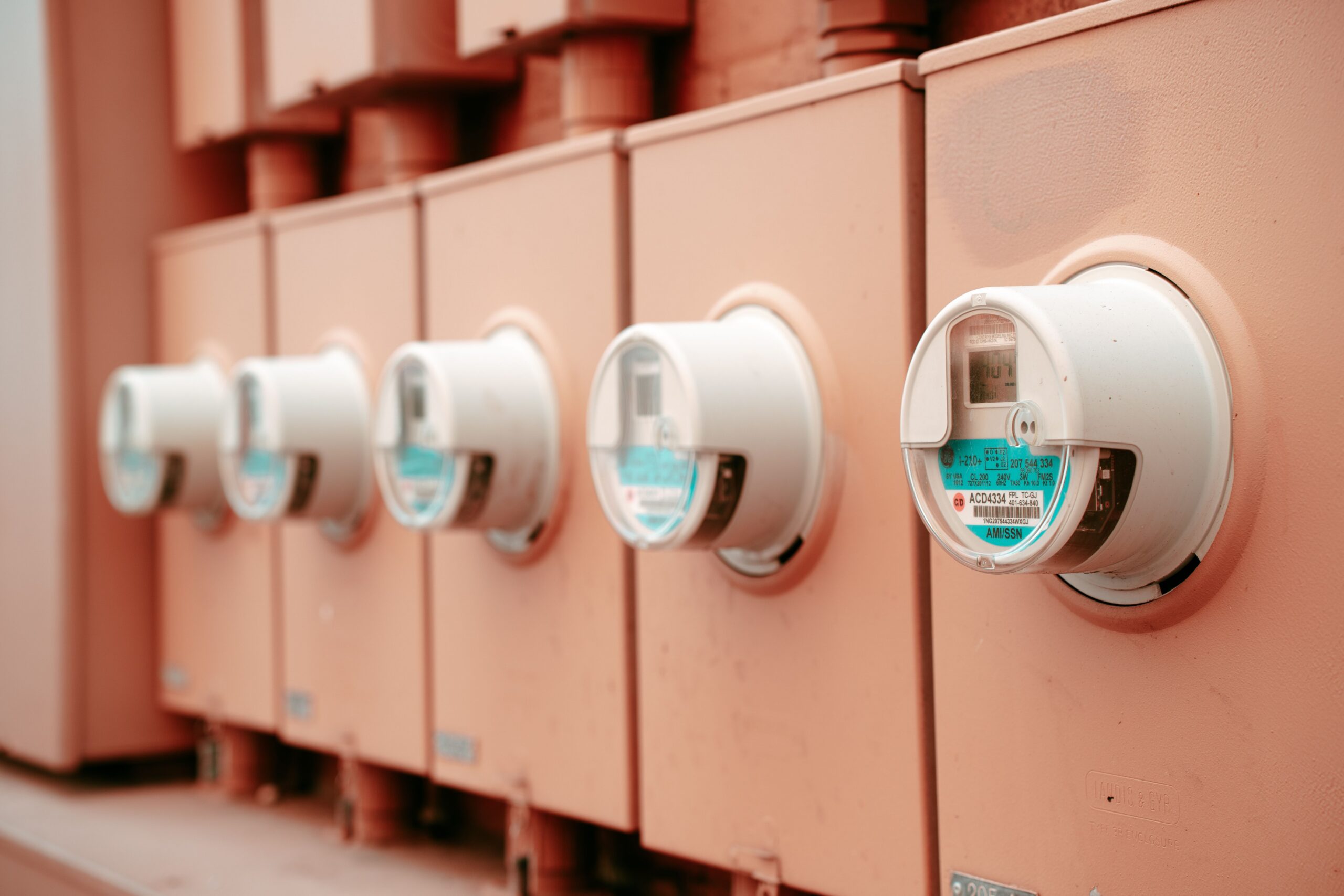
Businesses should know when they use the most electricity, what creates peak demand, how winter affects their load and when their current energy contract expires.

The Australian Energy Regulator also recorded 66 occasions where 30-minute wholesale prices exceeded $5,000/MWh during the quarter. A small number of high-price days had a major influence on overall market outcomes.

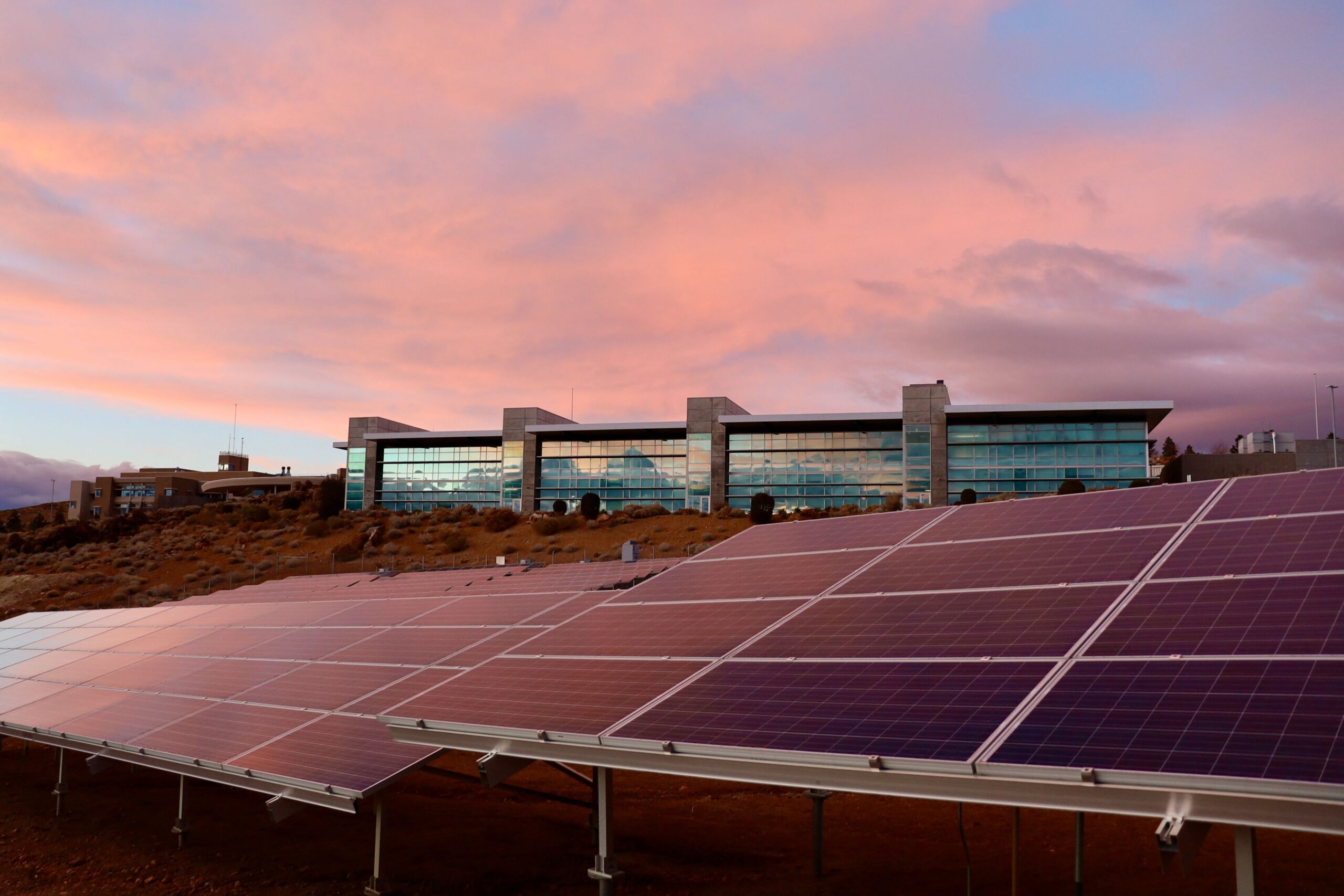
At the same time, renewable generation continued to grow. Solar and wind supplied increasing amounts of electricity, helping push wholesale prices very low during some periods. Australia experienced both negative electricity prices and extreme price spikes within the same quarter. That may sound contradictory, but it reflects how the market is changing.

Averages can hide market volatility

The quarter averaged approximately $140/MWh, but conditions changed significantly from month to month. June rose to around $232/MWh and the market recorded 66 occasions where 30-minute prices exceeded $5,000/MWh, showing how a relatively steady quarterly average can hide significant price movements underneath.


Market Timing Matters

Electricity can be abundant during periods of strong renewable generation and much more valuable when renewable output falls and demand remains high. Battery storage is becoming increasingly important because it can help bridge that gap by charging when electricity is plentiful and discharging when the system needs additional supply.

“The headline electricity price still matters, but understanding
when and how your business uses energy is becoming just as important.”

For businesses, the lesson is not to become energy-market traders. It is to understand your own exposure. When does your business consume the most electricity? What creates peak demand? How does winter change your load? When does your current contract expire? Could operational flexibility reduce costs?

The June quarter reinforces a simple point. The headline electricity price still matters, but understanding when and how your business uses energy is becoming just as important.

Latest Energy News

energyalliance
amartin@lfcacademy.com.au
No Comments

Sorry, the comment form is closed at this time.